
Rhodes' Beaches Overrun: Illegal Sunbeds and Structures Threaten Public Access |
Despite stringent regulations, unauthorized expansions by beach businesses in Rhodes continue to impede public enjoyment of the island's renowned shores. |
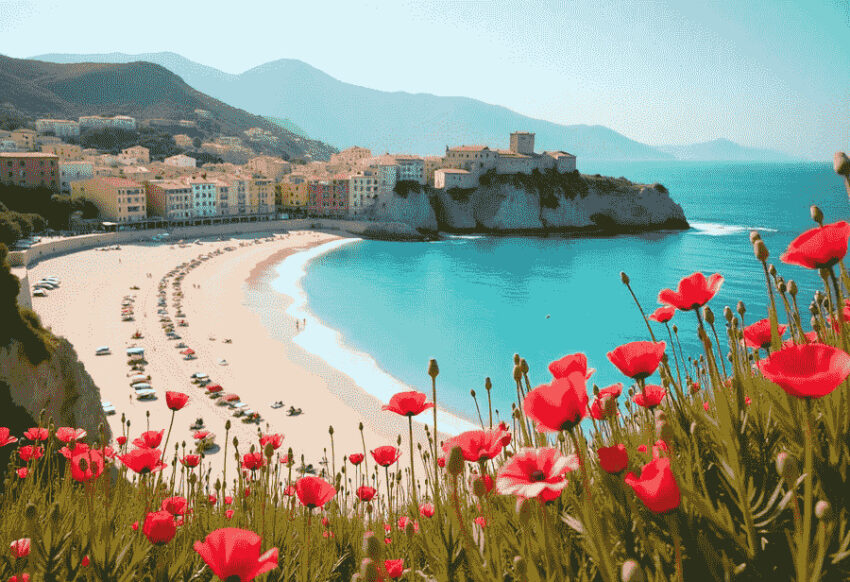
Rhodes, a jewel among Greece's tourist destinations, is grappling with a pressing issue: the encroachment of public beaches by unauthorized business expansions.
Despite the implementation of strict regulations, numerous establishments have overstepped their boundaries, erecting unlicensed structures and placing sunbeds directly in the water, thereby obstructing public access.
This blatant disregard for the law has sparked widespread concern among both locals and visitors.
In response to mounting complaints, the Greek government has intensified its efforts to enforce beach regulations.
Authorities have deployed drones to monitor compliance, capturing aerial images to identify violations.
Additionally, the "MyCoast" app has been introduced, enabling citizens to report infractions directly.
These technological measures aim to preserve the integrity of Greece's beaches and ensure they remain accessible to all.
However, despite these initiatives, violations persist.
For instance, at Elli Beach in Rhodes Town, a business with a lease for 704 square meters has reportedly expanded its operations to over 2,100 square meters, incorporating unauthorized facilities such as a restaurant, bar, and massage area.
Similarly, at Anthony Quinn Beach, a lease covering 82 square meters has allegedly ballooned to more than 1,200 square meters, with sunbeds even placed in the sea.
These infringements not only violate constitutional rights but also undermine the efforts of lawful operators who adhere to regulations.
The Greek authorities have stipulated that at least 70% of each beach must remain free of sunbeds and umbrellas, with conservation areas requiring an even higher threshold of 85%.
Businesses engaged in renting or selling loungers must possess the proper documentation to operate legally.
Failure to comply with these rules can result in fines of up to €60,000, underscoring the seriousness with which the government views these infractions.
Despite these measures, the effectiveness of enforcement remains questionable.
Reports indicate that some establishments continue to flout the rules, raising concerns about both compliance and accountability.
Environmental advocates emphasize that unregulated expansions can have a negative impact on coastal ecosystems.
The construction of unlicensed structures and the placement of sunbeds directly in the water can disturb local wildlife, accelerate erosion, and damage delicate marine habitats.
By enforcing strict adherence to beach regulations, authorities not only protect public rights but also contribute to environmental preservation, ensuring that Rhodes' beaches remain pristine for future generations.
As the summer season progresses, both locals and tourists are watching closely to see whether the authorities' crackdown will be effective.
The combination of drone monitoring, the MyCoast app, and substantial fines represents a modern approach to regulatory enforcement.
However, persistent reports of violations indicate that challenges remain, particularly in areas where enforcement may be inconsistent or businesses are willing to flout the rules repeatedly.
Ultimately, Rhodes' experience serves as a case study for other tourist-heavy regions in Greece and beyond.
Maintaining the delicate balance between profitable beach operations, environmental protection, and public access requires vigilance, transparency, and accountability.
Continuous monitoring by citizens' groups, combined with modern surveillance tools and heavy fines, plays a crucial role in keeping beaches secure, open to the public, and enjoyable for every visitor. |
0 Comments
Join the conversation
Be the first to comment
Share your thoughts above.